
Parenting isn’t just a walk in the park; it’s more like a hike through a jungle filled with unexpected twists and turns. Every parent knows that one size doesn’t fit all when it comes to raising kids. From the strict disciplinarian to the laid-back buddy, different parenting patterns shape a child’s development in unique ways.
Understanding these patterns can be the key to unlocking a kid’s potential—or at least keeping them from turning the living room into a wrestling ring. Whether you’re a seasoned pro or a first-time parent, exploring these diverse styles can provide insights that make the wild ride of parenting a bit smoother. So, buckle up and get ready to dive into the fascinating world of parenting patterns, where humor meets wisdom and every lesson learned is a step toward raising happy, well-adjusted kids.
Overview of Parenting Patterns
Parenting patterns encompass various styles that significantly influence child development. Authoritative, authoritarian, permissive, and uninvolved represent four primary styles. Each pattern shapes children’s behavior, emotional well-being, and social competence in distinct ways.
Authoritative parenting combines responsiveness and demandingness. Parents who adopt this style set clear expectations while maintaining warmth and support. Their children often exhibit higher self-esteem and better academic performance.
Authoritarian parenting prioritizes control over responsiveness. Parents enforce strict rules and expectations with little room for flexibility. Consequently, children raised in this environment may struggle with self-esteem and exhibit higher levels of anxiety.
Permissive parenting emphasizes warmth but lacks boundaries. Parents are often indulgent, resulting in children who may have difficulty with self-discipline and authority. These children often find it challenging to manage emotions and responsibilities.
Uninvolved parenting is characterized by minimal involvement and emotional support. Parents in this category may be indifferent or neglectful, leading to potential developmental issues in children. Such children often face difficulties in forming healthy relationships and managing emotions.
Understanding these patterns allows parents to assess their approach. By recognizing their predominant style, parents can adjust their techniques to foster healthier family dynamics and support children’s growth effectively.
Types of Parenting Patterns
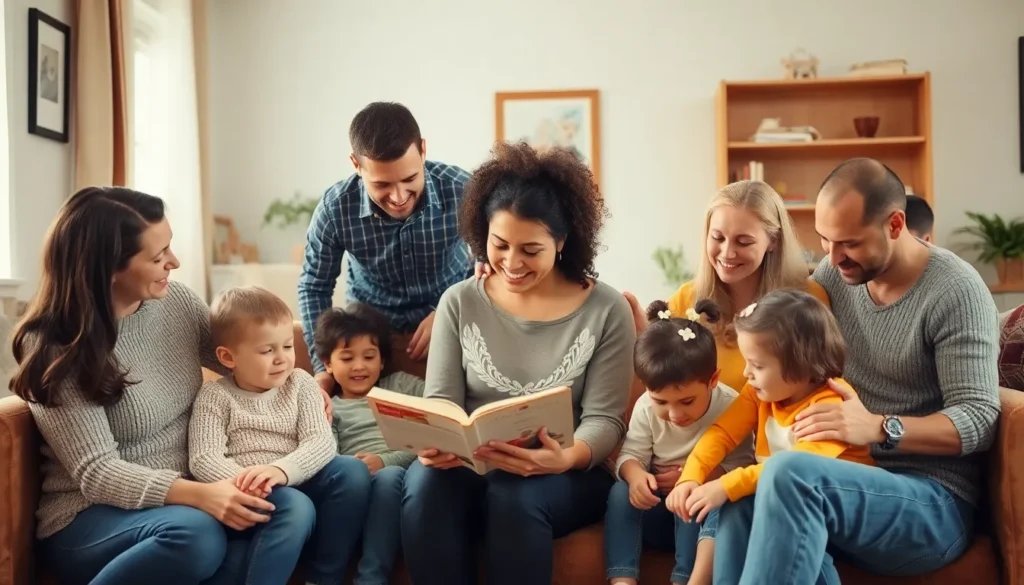
Understanding various parenting patterns allows parents to evaluate their techniques effectively. Each style influences child development uniquely.
Authoritative Parenting
Authoritative parenting combines high expectations with warmth. Parents practicing this style encourage independence while setting clear boundaries. Children often display higher self-esteem and better academic results. Support from parents fosters emotional intelligence. Moreover, effective communication helps address children’s needs, promoting resilience and confidence.
Authoritarian Parenting
Authoritarian parenting emphasizes control over emotional connection. This style relies on strict rules and expectations without room for flexibility. Children faced with this approach may struggle with self-esteem and anxiety. Responses to failure can trigger feelings of inadequacy. Additionally, limited opportunities for open dialogue hinder the development of critical thinking skills.
Permissive Parenting
Permissive parenting prioritizes warmth but lacks imposed boundaries. Parents adopting this style often indulge children to maintain affection. Consequently, children may encounter challenges with self-discipline and authority. Freedom without guidance can lead to difficulties in school and decision-making. As a result, these children may struggle to navigate societal expectations effectively.
Uninvolved Parenting
Uninvolved parenting features minimal emotional support and engagement. Parents practicing this style may provide basic needs but neglect emotional connections. Developmental issues can arise due to the lack of interaction and guidance. Children often feel isolated and unsure of their identity. Consequently, they may experience difficulties forming healthy relationships later in life.
Factors Influencing Parenting Patterns
Parenting patterns emerge from various influences that shape approaches to raising children. Understanding these factors helps parents navigate their unique challenges effectively.
Cultural Influences
Cultural background plays a significant role in shaping parenting methods. Different cultures prioritize diverse values, such as collectivism or individualism. For instance, collectivist societies may emphasize family interdependence, fostering close-knit relationships. In contrast, individualistic cultures often encourage independence, leading children to pursue personal goals. Cultural norms also dictate expectations around discipline, communication styles, and educational priorities. Parents can benefit from recognizing their cultural influences and adapting their strategies to align with their values while supporting their children’s development.
Socioeconomic Factors
Socioeconomic status significantly impacts parenting choices. Families with higher incomes often access better educational resources and extracurricular activities, benefiting children’s development. Conversely, lower-income households face challenges that can strain parenting practices. Limited access to healthcare, quality education, and safe environments affects children’s opportunities. Stress from financial insecurity may result in emotional strain on parents. Understanding the role of socioeconomic factors allows parents to seek solutions and support systems that enhance their children’s experiences despite challenges.
Psychological Aspects
Parental mental health influences parenting styles and patterns. Parents with positive mental health tend to foster secure attachments and effective communication with their children. Conversely, mental health struggles can lead to inconsistent behaviors and diminished emotional availability. Additionally, parental self-awareness enhances the ability to reflect on one’s upbringing and its impact on current parenting. The emotional well-being of parents directly affects children, as they often mirror their parents’ emotional responses. Recognizing these psychological aspects enables parents to create nurturing environments and enhances overall family dynamics.
Impact of Parenting Patterns on Child Development
Parenting patterns significantly influence various aspects of child development. Understanding these effects can empower parents to foster healthier environments.
Emotional Development
Authoritative parenting encourages a child’s emotional intelligence by promoting open communication. Children in nurturing environments develop better skills to express feelings and manage emotions. They often exhibit higher self-esteem, resulting from positive reinforcement and validation. Conversely, authoritarian styles can stifle emotions, as strict rules deter open expression and create anxiety. Children raised with minimal emotional support, characteristic of uninvolved parenting, frequently feel isolated and disconnected. Developing a strong emotional foundation is essential for resilience and healthy relationships.
Behavioral Outcomes
Behavioral outcomes of different parenting styles are evident in children’s interactions and social development. Authoritative children typically display self-discipline and respect for rules, resulting in better peer relationships. On the other hand, permissive parenting often leads to challenges in authority and impulse control. Children might struggle to understand boundaries and appropriate behavior. Uninvolved parenting can contribute to issues such as aggression or withdrawal, as these children often lack guidance and support. Recognizing behavioral patterns helps parents identify areas for improvement in their approach.
Academic Performance
Academic performance is closely tied to parenting styles and the support children receive. Authoritative parenting fosters a love for learning, promoting higher academic achievement through encouragement and guidance. Children thrive in structured environments, benefiting from clear expectations and active engagement from parents. However, kids from authoritarian backgrounds may exhibit a fear of failure, leading to anxiety and decreased motivation. Permissive parenting often results in a lack of routine, which can hinder academic success. In contrast, uninvolved parenting may diminish a child’s commitment to education, as they often feel neglected. Prioritizing consistent support can enhance a child’s educational journey and overall development.
Parenting patterns play a crucial role in shaping children’s futures. By understanding the nuances of different styles parents can create environments that nurture growth and development. Each approach has its strengths and weaknesses influencing emotional intelligence behavior and academic success.
Recognizing one’s predominant style allows parents to make informed adjustments fostering healthier family dynamics. Ultimately the journey of parenting is about finding balance and adapting to each child’s unique needs. Embracing this complexity can lead to a more fulfilling parenting experience and contribute to raising well-adjusted individuals.